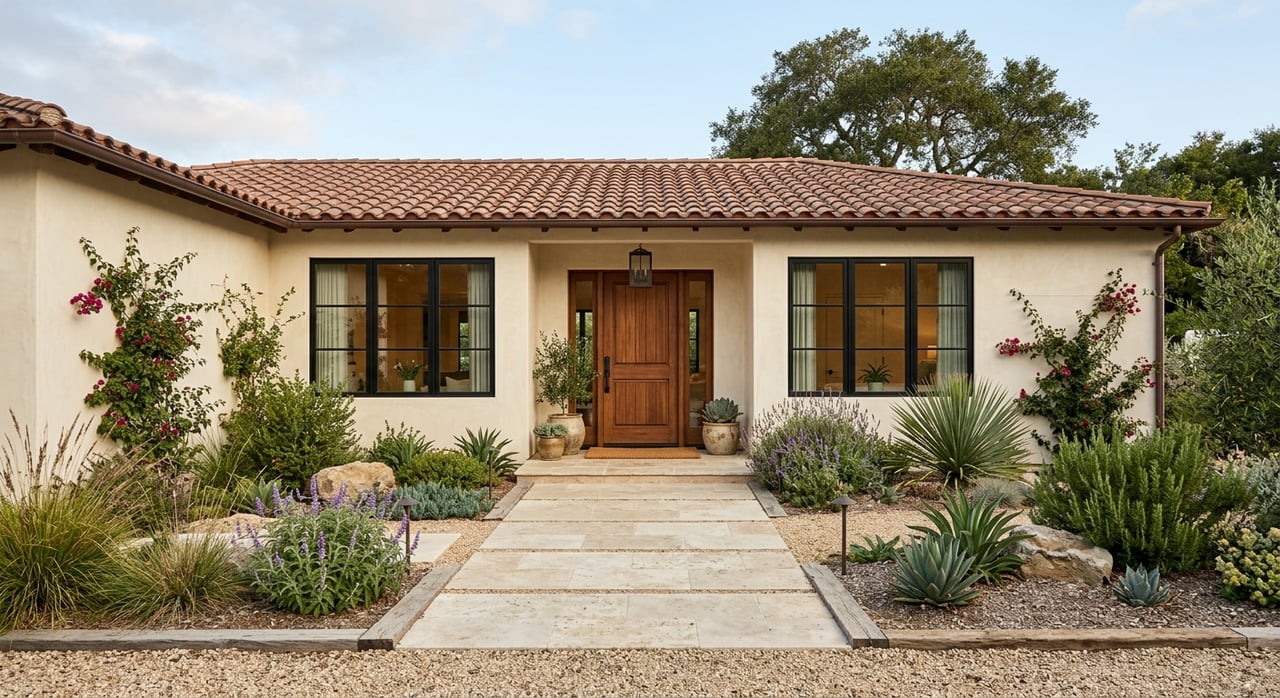
If you want the comfort of fewer stairs and a layout that can work well for years to come, Simi Valley deserves a close look. Many buyers are drawn to single-story homes for everyday ease, future flexibility, and simpler indoor-outdoor living, but not every area of the city offers the same options. This guide will help you understand where to focus, what to watch for, and how to evaluate a one-level home in Simi Valley with confidence. Let’s dive in.
Why Single-Story Homes Stand Out
Simi Valley is a city where residential living shapes the landscape. According to the city’s general plan, more than 71% of the land area is residential, and many valley-floor neighborhoods were built in large tracts from the 1950s through the 1980s. That matters because those older neighborhoods are often where you will find the classic one-level layouts many buyers want today.
The local housing profile also supports long-term ownership. U.S. Census QuickFacts reports a 72.9% owner-occupied rate and a median owner-occupied home value of $823,800 in Simi Valley. If you are buying with a long view in mind, single-story homes in established areas can be especially appealing.
Simi Valley’s history helps explain the housing mix. The city’s historic overview notes ranch houses across the valley during its agricultural era, followed by major residential growth starting in the early 1960s. As a result, you are more likely to see ranch-era and tract-style homes here than dense urban housing.
Where to Focus in Simi Valley
Valley-Floor Neighborhoods
If single-level living is your top priority, older valley-floor neighborhoods are often the best place to begin. The city says traditional residential neighborhoods on the valley floor were commonly built in large tracts during the 1950s to 1980s, which makes these areas a practical first stop for buyers looking for older one-story floor plans and flatter lots.
These homes may also offer a simpler path for future updates. Flatter sites can be easier to assess for additions, accessibility changes, and outdoor improvements than homes on more challenging terrain. That does not guarantee an easier remodel, but it can make the property more straightforward to evaluate.
Larger-Lot Areas
Some buyers want more than just a stair-free layout. They also want extra land, room for outdoor use, or space for future changes. In Simi Valley, the city identifies areas such as Kadota Fig and Leeds Street as older custom-built neighborhoods with larger lots, horse keeping, and a more rural or semi-rural character.
For buyers thinking long term, those larger lots can be a major advantage. A one-story home on a larger parcel may offer more flexibility for additions, detached structures, or reworking the site over time, subject to city rules and permits.
Bridle Path and Similar Communities
Bridle Path is a useful example of the kind of neighborhood many single-story buyers explore. Its official HOA describes 630 homes in the southwestern foothills, half-acre-and-up zoning, and homes built from 1976 to 1988, with many later additions.
That does not mean every home there is single-story. It does mean you may find flexible footprints, larger outdoor areas, and homes that have already been adapted over time. If you like the idea of one-level living with more breathing room, this type of community can be worth a closer look.
Hillside and Canyon Areas
Newer hillside and canyon communities, including Big Sky and Wood Ranch, reflect later master-planned growth in Simi Valley. The city describes these areas as having curvilinear streets and cul-de-sacs, and they can be attractive for buyers who want newer surroundings or a different neighborhood feel.
Still, if your main goal is minimizing stairs, older valley-floor inventory often stays at the top of the list. Hillside locations may include more split-level designs, sloped lots, or site conditions that affect how the home functions over time.
Lot Size Matters More Than You Think
When buyers search for single-story homes, they often focus first on square footage and bedroom count. In Simi Valley, lot size deserves just as much attention. The city’s zoning framework shows a wide range of residential lot sizes, from suburban single-family settings to semi-rural and estate-style parcels.
For example, Residential Estate zoning generally means a 1-acre minimum lot size, while Residential Very Low Density uses 20,000-square-foot minimum lots. That means single-story living in Simi Valley can range from a compact tract home to a custom property with substantial yard space.
This variety changes how a home may work for you in the future. A larger lot may create more options for additions, detached structures, outdoor living improvements, or multigenerational planning. A smaller lot may still be a great fit if you want less upkeep and a simpler footprint.
What Architecture to Expect
Simi Valley does not have one uniform home style. The city’s local development pattern is rooted in mid-century suburban growth, so you should expect a mix of older ranch-era homes, traditional tract homes, and newer hillside communities with more design variation.
That is helpful for buyers because it broadens the search. You may find a classic ranch with a straightforward floor plan, a custom home with wider outdoor space, or a later-built property with a more updated look. The key is to focus on how the layout lives day to day, not just how the home looks online.
Inspection Issues to Watch Closely
Permits and Prior Upgrades
In Simi Valley, permits are required before constructing, remodeling, or adding to existing buildings. The city’s building safety information also notes that many common updates require permits, including kitchen and bathroom remodels, room additions, certain roofing work, water heater work, and fixture changes that add new drain or water lines.
That makes permit history especially important in older single-story homes. If a property has been updated over decades, you will want to verify whether major work was properly permitted and signed off. This is one of the simplest ways to avoid surprises after closing.
Hillside Conditions
If you are considering a one-story home on a slope lot, pay close attention to site conditions. The city’s Hillside Performance Standards say residential development is allowed up to 20% slopes, while only certain improvements are allowed above 20% slopes.
For buyers, that means drainage, grading history, retaining walls, and any geotechnical or geological documentation deserve careful review. Even if the home itself is one level, the land around it can have a big impact on maintenance, usability, and future project options.
Structural and Environmental Considerations
Simi Valley’s building overview states that the city is in Seismic Design Category D or E and has a basic wind speed of 110 mph. For conventional one-story single-family dwellings with limited structural complexity, the city does not require plans to be prepared by a California licensed architect or engineer. Steep hillside and structurally complex dwellings are a different story and may require licensed design professionals.
For you as a buyer, this means complexity matters. A simple single-story tract home may be easier to understand from a permitting and remodel standpoint than a heavily altered or hillside property with more engineering demands.
Remodeling a Single-Story Home
Many buyers choose one-story homes because they see future potential. In Simi Valley, that potential needs to be weighed alongside local permit rules. The city says kitchen and bathroom remodels, non-retrofit window changes, larger re-roofing projects, room additions, and several plumbing-related updates generally require permits.
Some smaller items do not. The city’s FAQ says painting, retrofit windows and patio doors, and certain small detached accessory structures may not require permits. Even so, it is wise to confirm project requirements before planning upgrades.
If you are buying in an HOA community, there may be another step. In neighborhoods such as Bridle Path, exterior changes may also need architectural approval from the association. That is important if you are thinking about changing rooflines, exterior finishes, fencing, or other visible features.
ADUs and Long-Term Flexibility
For some buyers, the ideal single-story property is not just about the main house. It is about what the property could support later. Simi Valley’s ADU guide says one ADU or JADU may be allowed per single-family dwelling, and detached ADUs can be one story and up to 18 feet tall. The city also notes that larger lots can support larger detached ADUs.
This can be meaningful if you are planning for multigenerational living, guest space, or future rental use. Lot size and layout become especially important here, because a well-placed one-story home can leave more room for future improvements.
The Planning Division also says SB 9 can allow up to two primary units on a single lot and a two-lot subdivision if criteria are met. Not every property will qualify, but this is one more reason to evaluate a single-story home as both a place to live now and an asset with longer-term possibilities.
Energy Code and Build Quality
If you are considering a major addition or rebuild, energy compliance should be part of your planning. New residential construction in Simi Valley must meet California Energy Code requirements, and the city also has its own Green Building Ordinance.
That does not have to be a drawback. It simply means your future project may involve additional paperwork, plan review, and compliance steps. Knowing that upfront can help you budget time and money more realistically.
A Practical Buyer Checklist
Before you move forward on a single-story home in Simi Valley, keep these priorities in mind:
- Focus first on older valley-floor neighborhoods if fewer stairs and flatter lots are your top goals.
- Look at lot size as closely as interior square footage.
- Review permit history for older remodels and additions.
- Pay extra attention to drainage, grading, and retaining walls on hillside properties.
- Ask about HOA design review if the home is in an association.
- Consider whether the lot may support an ADU or other long-term use, subject to city rules.
- Factor in energy-code and green-building requirements for major future projects.
A single-story home can be a smart fit for many stages of life, but the best choice depends on more than the floor plan alone. In Simi Valley, location, lot shape, neighborhood era, and permit history all play a big role in how well a property may serve you over time.
With more than 30 years of Ventura County experience, Robin Plain offers practical, steady guidance for buyers who want to compare neighborhoods, weigh long-term property potential, and move forward with confidence.
FAQs
What areas in Simi Valley are best for single-story homes?
- Older valley-floor neighborhoods are often the best first place to look because many were built in large tracts from the 1950s through the 1980s, when one-level layouts were more common.
What should buyers check when buying an older single-story home in Simi Valley?
- You should review permit history, prior remodels, roofing work, plumbing changes, and any additions, since many of these projects require city permits.
What should buyers know about hillside single-story homes in Simi Valley?
- Even if the home is one level, you should closely evaluate slope conditions, drainage, grading history, retaining walls, and any geotechnical documentation tied to the site.
Can a single-story property in Simi Valley support an ADU?
- It may, since the city says one ADU or JADU may be allowed per single-family dwelling, and larger lots can support larger detached ADUs, subject to local rules.
Do remodels for single-story homes in Simi Valley need permits?
- Many do, including kitchen and bathroom remodels, room additions, certain roofing work, and some plumbing changes, so you should confirm requirements with the city before planning work.