You picture morning walks on the sand, sunset views from your balcony, and a simpler, salt‑air routine. A Port Hueneme beach‑area condo can deliver exactly that, but it also comes with rules, shared spaces, and a few coastal tradeoffs. If you know what to expect, you can choose the right building and enjoy the lifestyle you want.
In this guide, you’ll learn how beach access really works, what local condo buildings look like, how HOAs shape daily life, and the key risks and costs to check before you buy. You’ll finish with a simple checklist you can use on your first tour. Let’s dive in.
Port Hueneme at a glance
Port Hueneme is a small coastal city in Ventura County with a population around 22,000. It feels compact and community‑oriented rather than like a big resort town. You will see year‑round residents, port and service workers, and military households mix around the pier and beach area. You can confirm the city’s size and basic profile in the U.S. Census QuickFacts for Port Hueneme.
The beach and the short fishing pier are central to daily life. The nearby Port of Hueneme and Naval Base shape the waterfront, the skyline, and the pace of activity. Expect a working harbor and a neighborhood that balances recreation with industry. For a sense of the port’s role and operations, review the Port of Hueneme’s 10‑year strategic plan.
Beach access and daily outdoor life
If you want the sand to be part of your routine, Port Hueneme Beach Park is where you will spend time. The public beach and the pier are popular for walks, fishing, and sunset watching. Check current information on pier hours and park details on the City of Port Hueneme’s beach and pier page.
The harbor is active and parts of it are restricted for commercial and military use, so most open ocean access is through public beach entries and designated recreation zones. Boating inside the port is not freeform. If you want frequent harbor recreation, verify local access rules and focus your search near open public entries.
On sunny days, you will see people using community walking paths, small neighborhood parks, and the sands near the pier. Larger outdoor destinations and coastal trails are an easy drive away. That mix makes it simple to blend quick daily walks with weekend adventures.
Walkability and getting around
Port Hueneme’s overall Walk Score sits around the mid‑50s. In practice, some beach‑area condos put you within a short walk of the pier, local cafes, and small services. For larger errands like big grocery runs or medical specialists, you may drive a few miles to nearby hubs. You can explore the local Walk Score map for a sense of neighborhood convenience.
If you plan to go car‑light, the Gold Coast Transit District runs local buses and regional connections with support from VCTC. Service is solid for a small city, but routes and frequency are more limited than in a major metro. Many residents still rely on a car for day‑to‑day needs. If transit matters to you, review the Gold Coast Transit short‑range plan and test a route during a visit.
What condos and buildings look like
Most beach‑area condos in Port Hueneme are low‑rise garden or townhouse‑style buildings, often 1 to 3 stories. Typical floor plans range from 1 to 3 bedrooms. You will commonly see smaller units around 850 square feet and larger two‑level layouts up to about 1,600 to 1,700 square feet. Many complexes were built between the 1960s and 1990s, and a lot of units have been remodeled over time. Exact sizes and finishes vary by building, so verify details with current listings and HOA documents.
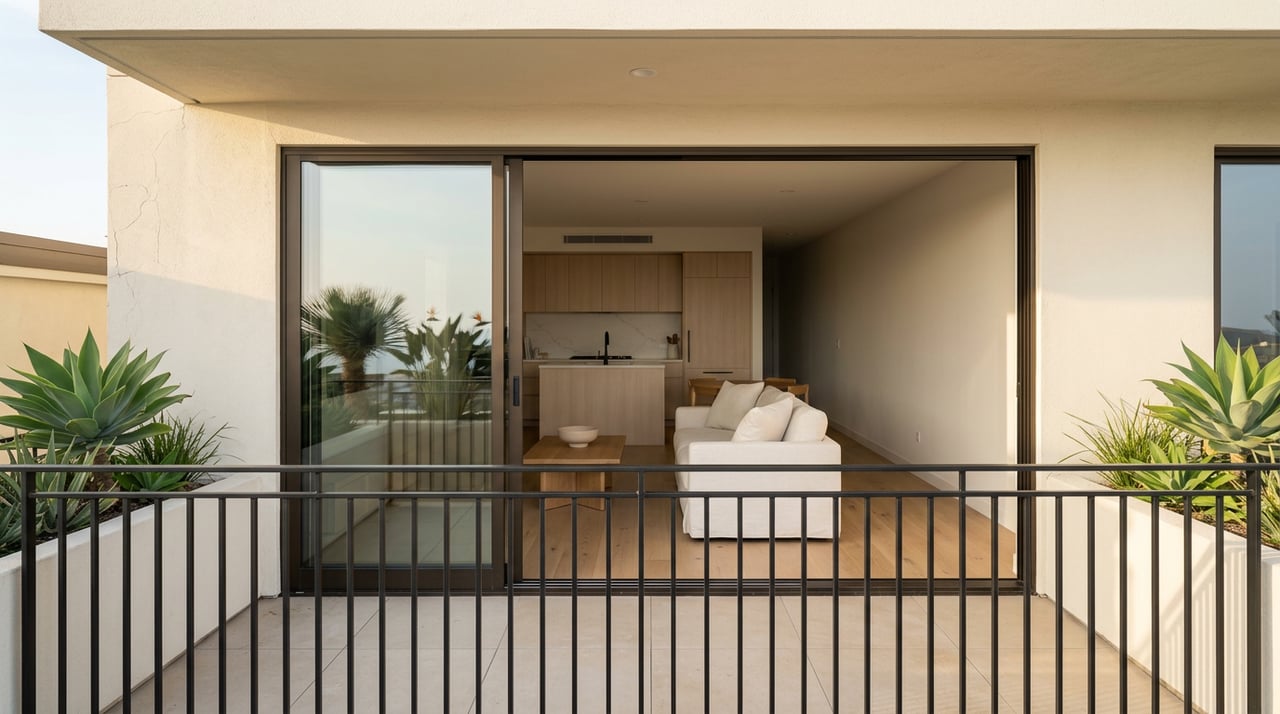
Balconies and patios are common. Orientation can matter as much as floor plan. A west‑facing balcony might get ocean breezes and later sun. A unit closer to the port may hear more daytime activity. When you tour, step outside, listen, and note wind patterns and shade at different hours.
Parking basics to expect
You will find a mix of parking setups near the beach. Common options include assigned carport stalls, deeded or assigned surface spaces, detached one‑car garages, and tandem configurations in tighter complexes. Older buildings often rely on carports rather than private two‑car garages. Some gated or resort‑style communities provide a single garage plus guest parking.
Parking rules can shape daily life. If your unit comes with one space and you own two cars, you may need to plan for overflow street parking or guest permits. Always confirm whether your space is deeded to your unit or assigned by the HOA, and read guest‑parking policies and fines before you commit.
Amenities, dues, and tradeoffs
Beach‑adjacent communities in Port Hueneme, including well‑known Surfside complexes, often advertise resort features such as gated entries, clubhouses, indoor and outdoor pools, spas, fitness rooms, game rooms, and BBQ or picnic areas. Smaller buildings may offer few or no shared amenities.
Here is the key budgeting insight: amenity level is the strongest predictor of HOA dues. Communities with pools, spas, and staffed gates usually carry higher monthly fees than simpler buildings. Before you fall in love with a set of amenities, weigh how often you will use them and what they add to your monthly cost. Ask for the current dues, special assessment history, and the latest reserve study so you understand long‑term maintenance plans.
How HOA rules shape your routine
HOAs do more than maintain landscaping. They also set rules that influence daily life in a shared building. Read the CC&Rs, bylaws, and rules early so you know how a community actually lives.
Rental rules and STR permitting
If part of your plan includes renting, you need to check two things. First, confirm HOA rental policies in the governing documents. Many associations restrict rentals under 30 days. Second, confirm the city’s approach to short‑term rentals. Port Hueneme has actively evaluated permitting, TOT collection, occupancy limits, and monitoring. Review the city’s staff report on short‑term rentals for current direction, and remember that California’s Civil Code 4741 sets state rules for HOA rental restrictions.
Quiet hours and shared spaces
Most associations set quiet hours, often around 10 p.m., and may schedule pool or clubhouse use. If evenings outdoors matter to you, read the rules for patios, balconies, BBQs, and common areas. Some communities require reservations or limit the number of guests during peak times.
Parking enforcement and guests
Guest parking often has time limits or permit rules. If you plan to host frequently, learn how overflow parking works and what fines apply. A great location can feel less convenient if you are managing passes and time windows each weekend.
Pets and daily routines
Many HOAs allow pets with limits on size, number, or leash rules in common areas. If you have a dog, note how close the nearest grass areas and pet‑waste stations are, and read the leash and noise rules. This affects your morning and evening routine more than you might expect.
Coastal risks and insurance to review
Buying near the beach is different than buying inland. A few smart checks help you plan your budget and your peace of mind.
Flood zones and lender requirements
Parts of the shoreline and low‑lying areas fall within FEMA coastal flood zones, including higher‑risk VE zones on some panels. Run the exact property address through FEMA’s Flood Map Service Center to see whether your lender may require flood insurance and whether the association has an NFIP Residential Condominium Building Association Policy in place.
Sea‑level rise and adaptation
Ventura County has studied sea‑level rise vulnerability and is evaluating coastal adaptation approaches. These planning efforts help guide future standards that can influence long‑term costs and design choices. For background, see the county’s sea‑level rise vulnerability assessment and use it as context when you compare properties.
Tsunami evacuation and emergency planning
Beach‑adjacent parcels should always be reviewed for evacuation routes and access to higher ground. The county’s hazards appendix includes tsunami evacuation mapping and planning context. Ask each HOA how they communicate emergency procedures and whether building systems are backed up for storm events.
Insurance coordination with the HOA
Confirm what the association’s master policy covers, then price your HO‑6 policy to fill the gaps. Most HO‑6 policies cover interior finishes, contents, loss of use, and loss‑assessment. Flood and earthquake coverage are usually separate. If the HOA carries a flood policy at the building level, you may still need contents and walls‑in coverage. Ask for the master policy declarations so your insurance agent can quote accurately.
Noise and port activity reality check
Living next to an active port and a Navy installation brings a distinct waterfront character. You may notice truck movements during certain hours, port operations near intermodal areas, and occasional military activity. These are normal features of a working harbor city. To understand how you will feel about it, visit at different times of day and on a weekday as well as a weekend. For context on the port’s operations and planning priorities, review the Port of Hueneme’s 10‑year strategic plan.
Smart steps for early‑stage buyers
Use this quick checklist as you compare buildings and floor plans:
- Request CC&Rs, bylaws, rules and regulations. Confirm rental terms, pet policies, smoking rules, balcony use, and amenity hours.
- Review HOA financials. Ask for the operating budget, the latest reserve study, meeting minutes, and any special assessment history.
- Verify insurance. Obtain the master policy declarations and confirm flood coverage status, including any NFIP condo policy.
- Confirm parking details. Is your space deeded, assigned, tandem, or a carport? Read guest rules, permits, and fines.
- Check local code and STR rules. If short‑term income matters, verify HOA rules and the city’s short‑term rental direction before you bid. Start with the city’s staff report.
- Run hazard checks. Use FEMA flood maps to see if insurance is required, review county sea‑level rise planning for context, and study tsunami evacuation routes.
- Tour at different times. Visit in the morning and evening, plus one weekday and one weekend, to gauge noise, breezes, and parking in real life.
When you want a seasoned, local perspective on specific buildings and HOA cultures, talk with someone who has helped buyers and sellers across Ventura County for decades. If you are weighing tradeoffs between amenity sets, dues, and long‑term costs, or you want help reading reserve studies and insurance packets, reach out to Robin Plain for a practical, no‑pressure consult.
FAQs
Are Port Hueneme beach condos good for short‑term rentals?
- Many HOAs restrict rentals under 30 days, and the city has explored permitting and tax rules for STRs. Review your HOA documents and the city’s short‑term rental staff report before you count on STR income.
How close will I be to the sand and pier in Port Hueneme?
- The public beach and the pier are the main access points for beach‑area condos. Check the City of Port Hueneme’s beach and pier page for location and hours, then map each complex to see your walk time.
Do I need flood insurance for a Port Hueneme beach condo?
- It depends on the building’s flood zone and your lender. Search your address in FEMA’s Flood Map Service Center to see if coverage is required and whether the HOA carries a condo flood policy.
How walkable is daily life without a car in Port Hueneme?
- The city’s overall Walk Score is in the mid‑50s. You can often walk to the beach and small services, but many bigger errands still require a short drive or a bus trip on Gold Coast Transit.
What parking setups are common in Port Hueneme beach‑area condos?
- Expect assigned carports, surface spaces, detached one‑car garages, and some tandem configurations. Confirm whether your space is deeded or assigned and study guest‑parking rules.
What drives HOA dues near the beach?
- Amenities are the biggest factor. Pools, spas, fitness rooms, and gates raise dues, while smaller complexes with fewer shared features tend to have lower monthly costs.