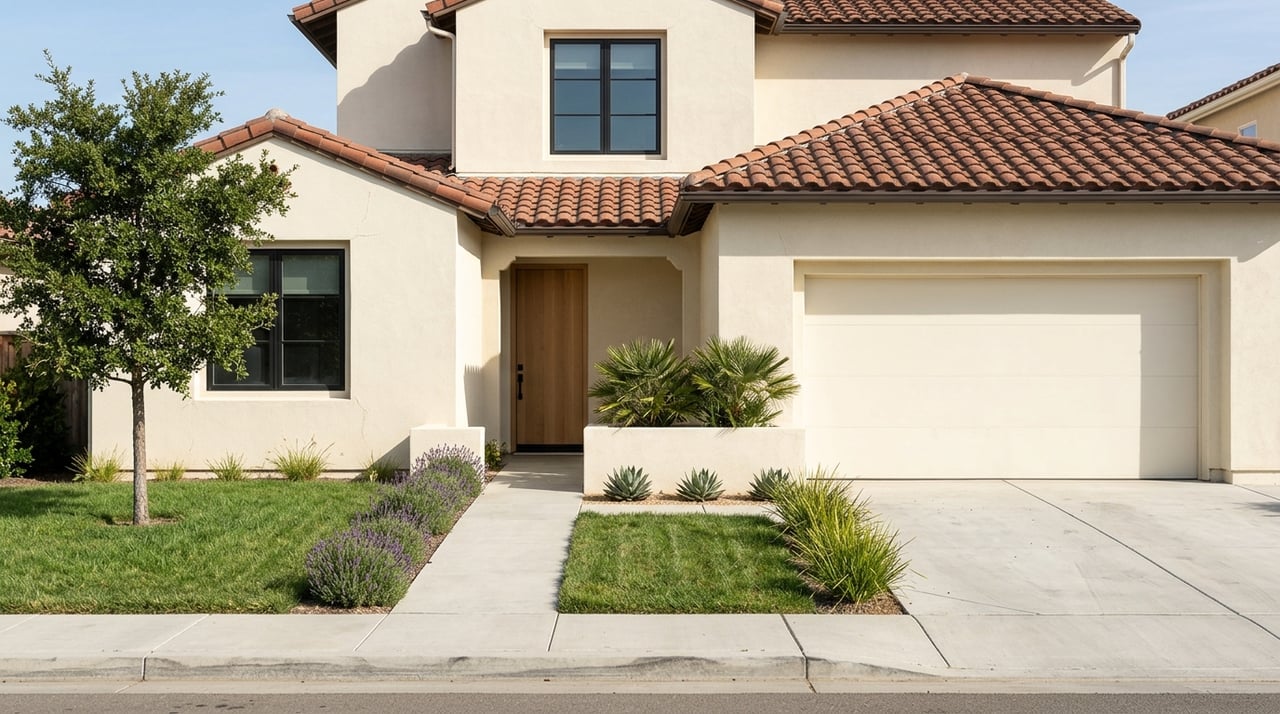
Trying to choose between a beach condo and an inland home in Oxnard? It is a smart question, because this decision affects much more than square footage. Your monthly costs, maintenance duties, daily routine, and even future resale questions can look very different depending on where you buy. If you want a clearer way to compare the options, this guide will walk you through the trade-offs that matter most in Oxnard. Let’s dive in.
Why this choice is different in Oxnard
In Oxnard, the decision is not simply condo versus house. It is also about coastal living versus inland living, and those can come with very different day-to-day experiences and ownership considerations.
According to the City of Oxnard, the coastal zone generally extends about 1,000 yards inland. That zone includes areas such as McGrath-Mandalay, Oxnard Shores, Channel Islands, and Ormond Beach. The city also identifies coastal communities like Oxnard Shores, Oxnard Dunes, Sea Air, Seabridge, and Silver Strand, while inland neighborhoods include Riverpark, West Village, Wagon Wheel, Victoria Estates, and Tierra Vista.
That matters because each setting supports a different lifestyle. Some coastal areas are centered on shoreline access, harbor activity, and recreation, while many inland neighborhoods are more connected to Oxnard’s broader residential pattern. So when you compare a beach condo with an inland home, you are really comparing how you want to live, not just what type of property you want to own.
Beach condo lifestyle in Oxnard
If you picture morning walks near the water, easy access to the harbor, and a routine that feels tied to the coast, a beach condo may be the better fit. Oxnard’s shoreline and harbor areas offer a setting that many buyers specifically seek out for recreation and waterfront access.
Channel Islands Harbor is one of the city’s standout lifestyle assets. Oxnard describes it as the fifth largest harbor in California, with 166 acres of water, 126 acres of land, more than 2,500 vessels, four yacht clubs, and nine full-service marinas. The harbor also connects to communities including Seabridge, Westport, Mandalay Bay, and Harbour Island.
The shoreline itself adds another layer of appeal. The city beach park at 1601 S Harbor Blvd. is a 62-acre facility with baseball fields, barbecue areas, picnic space, a playground, volleyball, and leash-dog access, and it is open daily from 7 a.m. to 7 p.m. For buyers who want their free time shaped by the coast, that kind of access can be a major advantage.
Inland home lifestyle in Oxnard
An inland home often offers a different rhythm. Your daily life may be less centered on beach and harbor recreation and more focused on Oxnard’s wider residential neighborhoods, local parks, shopping areas, and commute patterns.
That does not mean inland automatically means fewer amenities. It usually means your lifestyle is less tied to waterfront and visitor-oriented activity. For many buyers, that is a positive because they want more separation from the coastal environment while still staying in Oxnard.
If you prefer a traditional single-family setup, more private outdoor space, or a layout that gives you more control over the property, an inland home may feel like the more natural choice. The best option often depends on whether you value a coastal setting more than the extra autonomy that can come with a detached home.
Monthly cost comparison
A beach condo and an inland home can carry very different monthly costs, even if the purchase prices look similar at first glance. That is why it helps to go beyond the mortgage payment and compare the full carrying cost.
For any home, you need to budget for property taxes, insurance, repairs, and other ongoing expenses. The difference is that a condo usually includes HOA dues, while a single-family home often puts more direct repair responsibility on you.
With a condo, those dues may help cover shared features and common-area obligations. The Consumer Financial Protection Bureau notes that condominium HOAs often handle shared driveways, structures, and roofs, and condo fees usually include master insurance for common areas. At the same time, you still need your own insurance for the interior unit.
With a single-family home, you usually have fewer shared fees but more direct responsibility for repairs. That can include small fixes and major expenses like roof replacement. So the real question is not just which option costs less today, but which cost structure fits your comfort level better.
HOA rules and maintenance responsibilities
For many buyers, this is where the decision becomes clearer. A condo may reduce some exterior maintenance, but it also means shared governance and rules.
In California, buying a condo or other common-interest property automatically makes you a member of the homeowners association. The California Attorney General explains that HOAs make and enforce rules, and the Davis-Stirling Act governs areas like finances, maintenance responsibilities, elections, and dispute resolution.
That means a beach condo can be appealing if you want less hands-on exterior upkeep. It can also be frustrating if you want more freedom over property decisions. An inland single-family home often gives you more control, but in return you usually take on more direct maintenance planning and expense.
Coastal risk and flood questions
If you are considering a beach condo in Oxnard, risk exposure deserves close attention. The city says its coastal location makes it vulnerable to flash floods, power outages, and road closures during intense weather.
Oxnard advises residents to use its Emergency Resource Map to see whether a property is in a FEMA Special Flood Hazard Area. FEMA defines that area as land that would be flooded by the base flood, which is a flood with a 1% chance of happening in any given year. Standard homeowners insurance does not cover flood damage, and flood insurance is required for homes in a Special Flood Hazard Area when the mortgage is government-backed.
This does not mean every coastal property is a bad choice. It means you should verify flood-zone status early and understand the insurance impact before you commit. Inland properties can also have special assessments and flood-related considerations, so it is worth checking no matter where you plan to buy.
Permits and coastal property changes
A beach-area property can come with more layers of review when you want to make exterior changes, additions, or rebuild after damage. Oxnard is updating its Local Coastal Program to address sea-level rise, coastal hazards, housing policy, and coastal protection regulations.
The city’s housing element says coastal-zone building permits are handled by the city, but certain shoreline or sensitive-area projects can be appealed to the California Coastal Commission. In practical terms, that can mean more complexity for some coastal properties than you might face inland.
If you like the idea of customizing a property over time, this is an important consideration. A beach condo may offer a great location, but not always the same flexibility or process simplicity you may find with some inland homes.
Special assessments in Oxnard
One of the biggest mistakes buyers make is focusing only on HOA dues and missing other charges. In Oxnard, both coastal and inland properties may have special taxes or assessments that show up on the Ventura County property tax bill.
In the coastal area, the city says the Waterway Maintenance Assessment District in Mandalay Bay and Harbour Island funds landscaping, sidewalks, streets, water, flood control, drainage systems, and vector control. The city also says some CFDs, including Westport at Mandalay Bay and Seabridge at Mandalay Bay, are ongoing assessments that do not expire. The city is also working with the Channel Islands Waterfront HOA on Mandalay Bay seawall repairs.
Inland properties can have similar add-on costs. Oxnard specifically lists RiverPark CFD 5 as covering parks, open space, flood and storm protection, police protection, and local recreation facilities. That is why every buyer should review both the HOA documents and the tax bill carefully, whether the home is near the beach or farther inland.
Resale questions to ask before you buy
If resale is part of your long-term plan, your due diligence should match the property type. Condo resale and single-family resale often depend on different factors.
For a beach condo, buyers should pay close attention to the HOA’s financial health. California law requires sellers to provide governing documents, financial information, and delinquent-assessment statements before transfer. The California Department of Real Estate also points buyers to the current budget, reserve study, financial statements, and delinquency information when evaluating a common-interest development.
A reserve study is especially important because it estimates the cost of repairing and replacing major shared components such as roofs or pavement. According to the California Department of Real Estate, reserve studies help buyers judge the financial strength and market value of a common-interest development. If reserves are underfunded, that may increase the chance of future special assessments.
For an inland single-family home, resale may be more influenced by the home’s physical condition, the location within Oxnard, and whether any HOA or special district overlays apply. In either case, the goal is the same: understand the ongoing obligations now so you are not surprised later.
A simple way to decide
If you are torn between the two, narrow your choice by asking yourself a few practical questions. Often, the answer becomes clearer once you compare lifestyle, cost, and maintenance side by side.
Ask yourself:
- Do you want your daily life tied closely to the beach or harbor?
- Are you comfortable with HOA rules and shared decision-making?
- Would you rather pay dues for some shared maintenance, or manage more repairs yourself?
- Have you checked for flood-zone status and possible insurance impacts?
- Are there special taxes or assessments on the property tax bill?
- If it is a condo, what does the reserve study suggest about future major repairs?
If your priority is coastal access, lower exterior maintenance, and a lifestyle centered on the shoreline, a beach condo may make sense. If your priority is more control, a detached-home feel, and a residential routine less tied to waterfront conditions, an inland home may be the better fit.
The best choice is the one that matches how you want to live and what level of ongoing cost and responsibility feels comfortable to you. With Oxnard, that local context matters, and having an experienced guide can make the comparison much easier.
If you want help weighing a specific condo against an inland home in Oxnard, reach out to Robin Plain for a personalized Ventura County market consultation.
FAQs
What does Oxnard’s coastal zone include?
- Oxnard’s housing element says the coastal zone generally extends about 1,000 yards inland and includes areas such as McGrath-Mandalay, Oxnard Shores, Channel Islands, and Ormond Beach.
What should condo buyers review in an Oxnard HOA?
- You should review the HOA dues, governing documents, current financials, reserve study, and any delinquency or special-assessment information before closing.
What flood question should Oxnard buyers ask first?
- Ask whether the property is in a FEMA Special Flood Hazard Area and how that could affect insurance requirements and future risk.
Are inland Oxnard homes free from extra assessments?
- No. The city says inland properties can also have special taxes or assessments, including examples like RiverPark CFD 5.
What do HOA dues usually cover for a condo?
- Condo HOA dues often help cover common-area obligations, and condominium associations commonly handle shared items like structures and roofs, but you still need to confirm exactly what the association covers.
What matters most for beach condo resale in Oxnard?
- Key factors can include HOA reserves, insurance, special assessments, flood exposure, and any pending seawall or waterway-related work.